
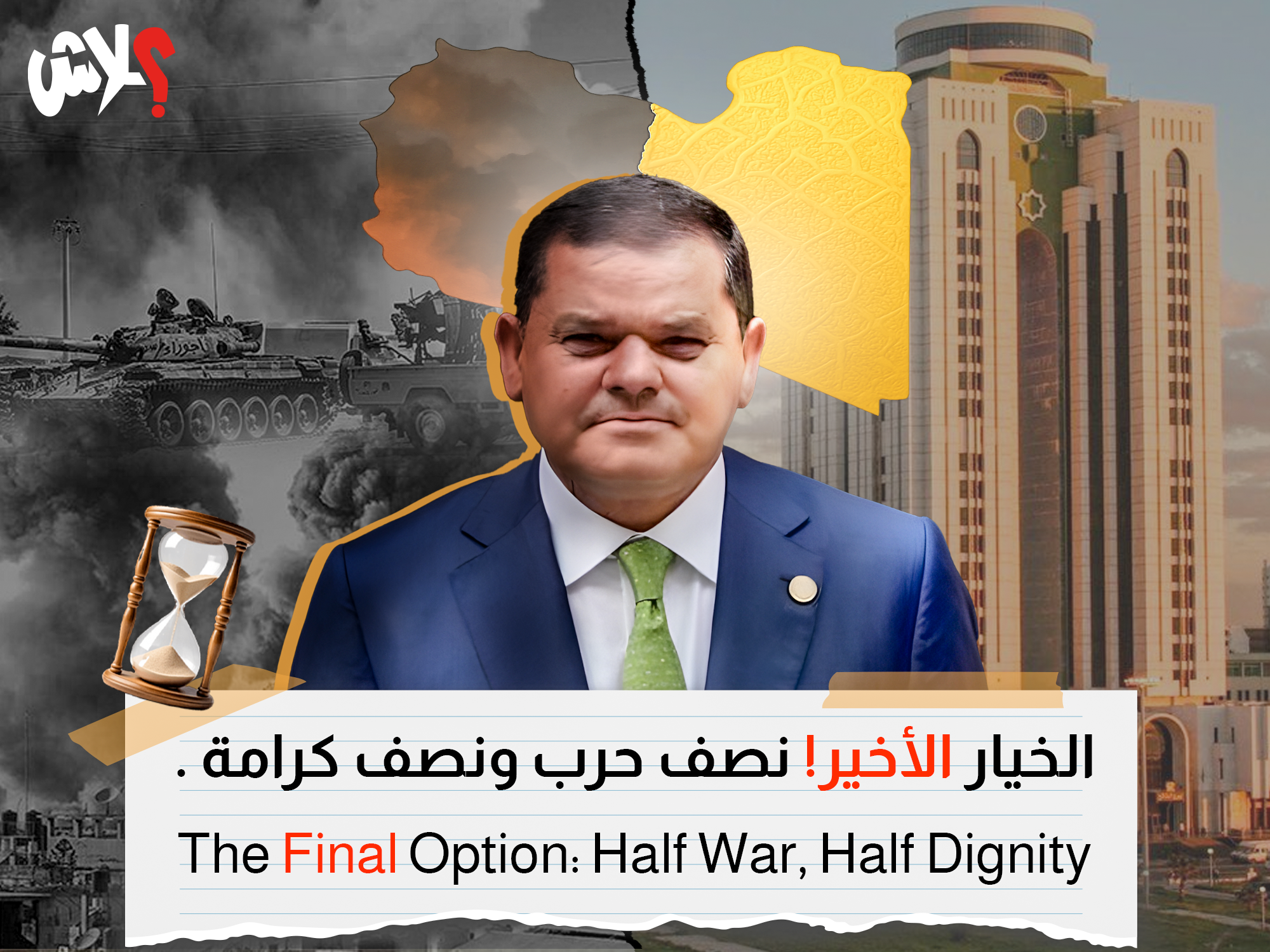
The Final Option: Half War, Half Dignity
Al-Mu‘tamid ibn ‘Abbād was the last ruler of the Banu ‘Abbād dynasty in Seville. He was known for luxury and poetry, and when Toledo fell into the hands of the Castilians, he sought help from the Almoravids under Yusuf ibn Tashfin, who won the Battle of Zallaqah in 1086 AD. And when some warned him against relying on the Almoravids for fear they would depose him, he uttered his famous statement:
“Herding camels under Yusuf ibn Tashfin is better for me than herding pigs under Alfonso.”
But soon the Almoravids saw the weakness of the Taifa kings and their immersion in corruption, so they toppled them one after another, until they besieged Seville in 1091 AD, where Al-Mu‘tamid’s rule collapsed, and he was taken to exile in Aghmat in Morocco, where he lived poor and humiliated after having been a luxurious king with vast influence.
And so you don’t get lost, dear reader, it is important to alert you that this analogy is not for similarity but for the intersecting condition between Ibn ‘Abbād and Abdulhamid Dbeibah, so be patient with me until the end of the text.
No topic today precedes the Libyan public’s discussion of the UN Envoy Tetteh’s briefing and its outcomes specifically her announcement that she intends to set a roadmap that includes forming a new government to end the executive division and oversee simultaneous presidential and parliamentary elections, as she claimed.
And no sooner had the briefing ended than questions among Libyans emerged over how the government in Tripoli would be removed especially as the latter published a statement on its official platforms expressing adherence to its previous rhetoric, which is that the Government of “Return of Life” pushes towards holding legislative and presidential elections to end what it described as transitional stages, a declaration some view as an indication that the government intends not to hand over power to a new international-track government, despite the fact that it itself came by the same door and through the same mechanism proposed now.
But leave the afternoon dreams aside now and let us search and examine the government’s options in Tripoli to change this course, and how it might push through the vision it expressed in its latest statement?
Many believe that Abdulhamid Dbeibah will not relinquish power calmly, and that he will cling to it until his last breath. Therefore, they consider that the timeline inferred from the briefing understood to be two months is not in favor of the Government of Return of Life if it decides to undertake any political or military move.
As for military action, some see it as the only option, where if Dbeibah intends to reshuffle the cards and force himself again onto the negotiation table, he must militarily control the capital entirely and this will not be possible without eliminating the Special Deterrence Force (Rada), which he challenged three months ago and failed. Today, it blocks his reach in Souq al-Jumaa and enjoys wide popularity both there and across Tripoli, while Dbeibah’s popularity declines.
Moreover, launching war in the streets of Tripoli is no simple matter especially as Tetteh warned Dbeibah’s government and Rada against resuming armed conflict, equating them as two conflicting parties, as if rejecting the government’s narrative that it seeks to monopolize force under its ministries of defense and interior. And furthermore, initiating a swift war requires capabilities the government does not seem to have and international actors will not allow extended fighting.
Additionally, observers believe that many armed groups will refuse participation in a war against Rada after the UN announcement of its roadmap and given the certainty that a new internationally prepared government is underway. Thus, forces such as the 111th Brigade under Zoubi and the 444th Brigade under Mahmoud Hamza will not engage in such a war they can maintain their positions and prepare to align with the new government,
for they have done so before and will do it again.
The only two forces that might fight Rada if the government orders it are the General Security Apparatus and the Joint Force, as both are structurally tied to the government and, according to critics, will have no military future in greater Tripoli once Dbeibah’s government ends. Many observers believe these forces cannot challenge Rada today given its readiness and strong social support.
With narrowing options before Dbeibah to reshape the game and impose himself again, some believe he may attempt a “half-war”, where he could deploy troops across central Tripoli and try to besiege Rada within Souq al-Jumaa, then re-enter negotiations. This step may provide maneuvering space, possibly shifting balances of power in the capital for force and control on the ground are the only qualifiers for being a political actor in Libya, aren’t they?
With all scenarios open, the only path Dbeibah may resort to this time is seeking help. And this time according to critics the price will not be money alone but full partnership in everything. This brings us back to the analogy we began with Ibn ‘Abbād.
Ibn ‘Abbād lost his prestige and dignity twice :
First, while king:
when he was forced to seek help from Yusuf ibn Tashfin despite his pride and independence his famous saying was an early confession that dignity had begun to break.
And second, after his fall:
when he was exiled to Aghmat, transforming from the majestic ruler of Seville into a poor prisoner writing poetry on estrangement and regret.
Meaning he lost his glory twice: once through dependency, and once through betrayal and downfall.
So wait for I am with you among the waiters!!